
Planning a corporate retreat in Texas can feel like a big task, but honestly, it doesn’t have to be a headache. Think of it as a chance to get your team together, away from the usual office buzz, to either hash out big ideas or just reconnect. Texas has a ton to offer, from wide-open spaces to cool city vibes, so finding the right spot is half the fun. This guide breaks down the whole Texas corporate retreat planning process into manageable steps, making sure your next getaway is a hit.
Key Takeaways
- Figure out what you really want the retreat to achieve before you book anything. Knowing your goals helps guide every other decision.
- Texas has so many options for venues, from quiet country spots to lively cities. Pick a place that fits the mood and purpose of your retreat.
- Set a clear budget early on. Knowing how much you can spend will help you make smart choices about the venue, food, and activities.
- Plan activities that mix work with fun. People need time to strategize, but also to relax and bond with each other in casual ways.
- Pay attention to the small details like travel, meals, and communication. Good logistics mean a smoother, more enjoyable experience for everyone.
Defining Your Texas Corporate Retreat Goals
Alright, so you’re thinking about getting the team together somewhere other than the usual office? Smart move. Before you even start looking at venues or thinking about what kind of BBQ you’ll have, you really need to nail down why you’re doing this. What’s the main point of this whole Texas retreat?
Clarifying Retreat Objectives
This is the bedrock of your planning. If you don’t know what you want to achieve, how will you know if you succeeded? Are you trying to get everyone on the same page about a new company strategy? Maybe you need to boost morale after a tough quarter, or perhaps it’s about fostering better communication between departments that don’t usually interact. Having clear, measurable goals will guide every other decision you make.
Think about it like this:
- Strategy Alignment: Do you need dedicated time for brainstorming and planning future initiatives?
- Team Cohesion: Is the primary aim to strengthen relationships and improve how people work together?
- Skill Development: Are there specific training or workshop goals you want to achieve?
- Recognition & Reward: Is this a chance to thank the team for their hard work and give them a break?
Aligning Team Building and Strategy
Often, retreats try to do a bit of both – get some work done and build team spirit. It’s a good idea to figure out how these two things will connect. For example, if you’re having a strategy session about innovation, maybe your team-building activity could be something creative, like a collaborative art project or an escape room that requires problem-solving. The goal is to make sure the fun stuff supports the serious stuff, and vice-versa.
It’s easy to get caught up in the excitement of planning activities and choosing a cool location. But remember, the retreat is a tool. You’re using the change of scenery and dedicated time to achieve specific business outcomes. Make sure the activities and sessions directly serve those outcomes.
Measuring Retreat Impact and ROI
How will you know if the retreat was worth the time and money? You need a plan for this before you go. This doesn’t have to be complicated. It could be as simple as a post-retreat survey asking participants about their experience and what they learned. Or, if your goal was strategy alignment, you might track the implementation of ideas generated during the retreat. For team building, you could look at changes in cross-departmental collaboration metrics afterward.
Here’s a simple way to think about measuring success:
- Pre-Retreat Assessment: What’s the baseline for morale, communication, or specific project understanding?
- During Retreat: Observe engagement, participation, and informal feedback.
- Post-Retreat Evaluation: Use surveys, follow-up meetings, or performance metrics to gauge impact.
By defining your goals upfront and thinking about how you’ll measure them, you’re setting yourself up for a Texas retreat that’s not just a fun getaway, but a genuine investment in your team and your company’s future.
Selecting The Ideal Texas Retreat Venue
Alright, so you’ve decided Texas is the spot for your team’s getaway. Awesome! Now comes the fun part: picking the actual place. This isn’t just about finding a room; it’s about finding a space that fits your team’s vibe and what you want to get out of the retreat. Think of it like choosing the right outfit for an event – it needs to be appropriate, comfortable, and make a good impression.
Choosing Between Urban and Rural Settings
Texas throws a lot of options at you here. Do you picture your team kicking back in the rolling hills of the Hill Country, maybe near some wineries, or are you leaning towards the buzz of a city like Houston or Austin? Urban settings offer easy access to airports, tons of restaurants, and a lively atmosphere. You can find venues with all the modern tech you need for sessions, plus plenty of after-hours entertainment. On the flip side, a rural escape, like a ranch or a lodge, can offer a real change of pace. Think wide-open spaces, fresh air, and fewer distractions. These spots are great for focused work and outdoor activities. It really depends on what kind of experience you’re aiming for. A place like Lucky Arrow Resort in the Hill Country, for example, offers a serene setting that’s still close enough to Austin for convenience.
Assessing Venue Capacity and Amenities
This is where you get down to the nitty-gritty. First, capacity. How many people are you bringing? You don’t want to be crammed into a space that’s too small, but a place that’s way too big can feel empty. Make sure the venue can comfortably host your group for both work sessions and downtime.
Here’s a quick checklist for amenities:
- Meeting Spaces: Enough rooms, with the right setup (theater, classroom, etc.) and necessary tech (projectors, screens, Wi-Fi).
- Catering: Do they offer in-house catering, or do you need to bring in outside vendors? What are the menu options?
- Recreational Facilities: Pools, gyms, outdoor areas for breaks or activities.
- Accessibility: Is the venue easy to get to for everyone, and is it accessible for those with mobility needs?
Considering Accommodation Styles
Once you’ve got the venue sorted, think about where everyone’s going to sleep. This can really impact the overall feel of the retreat. Are you looking for:
- Individual Rooms: This offers the most privacy and comfort, great for a more upscale or focused retreat.
- Shared Cabins or Suites: Can be more cost-effective and encourage interaction among team members.
- Unique Lodging: Think glamping tents, rustic cabins, or even on-site hotel rooms if you’re in a city.
The choice of accommodation style should align with your budget and the desired level of team bonding. Sometimes, sharing a space can spark unexpected conversations and collaborations that wouldn’t happen otherwise. It’s about finding that balance between personal comfort and group connection.
Crafting A Realistic Retreat Budget
Okay, let’s talk money. Planning a corporate retreat in Texas, or anywhere for that matter, without a solid budget is like trying to drive across the state without a map – you’re going to get lost and probably spend way more than you intended. Setting a clear financial plan from the get-go is probably the most important step. It guides every decision you make, from the venue choice to the type of snacks you’ll have available.
Estimating Venue and Accommodation Costs
This is usually the biggest chunk of your budget. Venues can range from rustic ranches to sleek city hotels, and prices vary wildly. Think about how many people you’re bringing and what kind of experience you want. Do you need meeting rooms, breakout spaces, or just a comfortable common area? For accommodation, are you looking at individual rooms, shared cabins, or something else? It’s worth getting a few quotes from different places to compare. Remember to ask about what’s included – sometimes a package deal can save you money.
Allocating Funds for Food and Activities
Don’t forget about keeping your team fed and entertained! Food and beverage costs can add up quickly, especially if you’re planning multiple meals, snacks, and drinks. Consider catering options, restaurant reservations, or even a food truck if you’re going for a more casual vibe. For activities, think about what aligns with your retreat goals. Are you looking for outdoor adventures, team-building games, or maybe some cultural experiences? These can range from free park visits to expensive guided tours. It’s a good idea to have a mix, so people can choose what they enjoy. You can find some great ideas for corporate retreat locations in Texas that often have activity packages.
Budgeting for Transportation and Miscellaneous Expenses
How is everyone getting to the retreat? If people are flying in, you’ll need to factor in airfare. Then there’s getting from the airport to the venue – shuttles, ride-shares, or rental cars. If your team is driving, consider mileage reimbursement. Beyond the big items, there are always those little extras. Think about welcome gifts, any necessary supplies for workshops, printing costs for materials, or even a small contingency fund for unexpected things that pop up. It’s always better to have a little extra set aside than to be caught short.
A good rule of thumb is to add about 10-15% to your total estimated budget for unforeseen expenses. Things happen, and being prepared financially means you can handle them without derailing the entire retreat.
Planning Engaging Retreat Activities
Okay, so you’ve got your goals set and your venue booked. Now comes the fun part: figuring out what everyone’s actually going to do at this Texas retreat. It’s not just about booking a conference room and hoping for the best. You want people to connect, learn, and maybe even have a little fun, right? The key is balancing structured sessions with downtime and activities that actually fit your team.
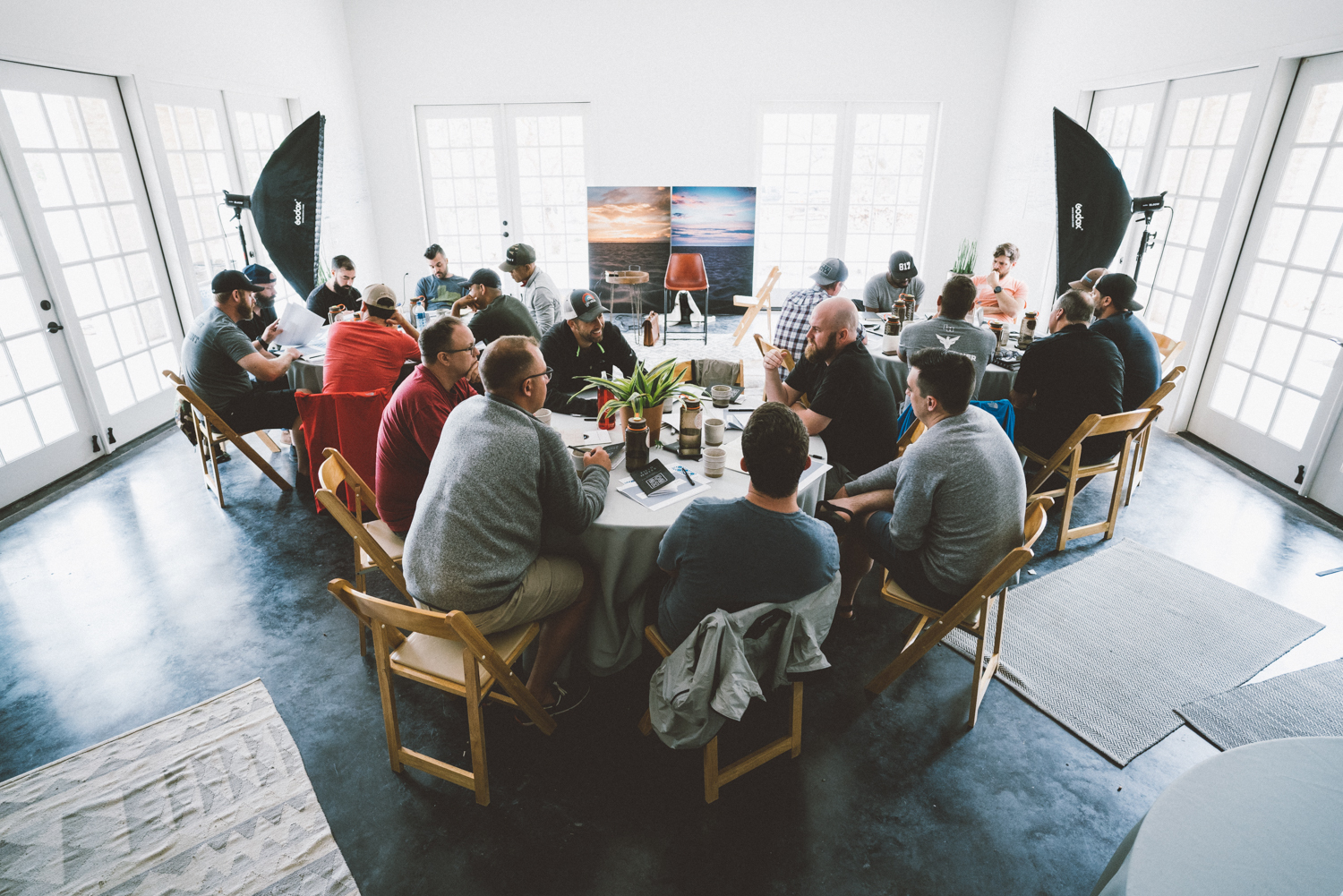
Balancing Structured Sessions with Fun
Think of your retreat agenda like a good meal – you need a main course, but some appetizers and dessert make it way better. The structured sessions are where you tackle business goals, brainstorm ideas, or do some training. But you can’t just go from one meeting to the next without a break. That’s a recipe for burnout, not bonding.
- Morning Strategy Session: Focus on a key business challenge.
- Mid-day Break: Allow for informal chats or a quick walk.
- Afternoon Workshop: Dive into skill development or problem-solving.
- Evening Social: A relaxed dinner or casual get-together.
This mix keeps energy levels up and prevents people from zoning out. It’s about making sure the work gets done, but in a way that feels productive and not draining.
Exploring Outdoor Adventures
Texas has some amazing scenery, so why not use it? Depending on where you are, you could be looking at anything from hiking in the Hill Country to kayaking on a lake. These kinds of activities are fantastic for getting people out of their heads and interacting in a different way. It breaks down barriers and can lead to some unexpected conversations. Plus, it’s a great way to show off the local flavor. You might consider looking into guided nature tours if you want something organized.
Incorporating Cultural and Culinary Experiences
Food and culture are huge parts of any trip, and a corporate retreat is no different. Think about local Texas cuisine – maybe a BBQ cook-off, a wine tasting in the Hill Country, or even a visit to a local art gallery or historical site. These experiences give your team a taste of the region and provide common ground for conversation. It’s a relaxed way to learn something new together.
Designing Team-Building Exercises
Team building isn’t just about trust falls anymore (thank goodness). Modern team-building exercises are more about collaboration and problem-solving. Think escape rooms, scavenger hunts tailored to your location, or even a group volunteer project. The goal is to get people working together towards a common objective, which can translate back to their daily work. It’s about building those connections that make a team stronger.
When planning activities, always consider your team’s general interests and physical abilities. What works for a group of young athletes might not be ideal for a team with a wider range of ages and fitness levels. Flexibility is key, and offering a couple of options can be a good idea.
Mastering Retreat Logistics
Okay, so you’ve got your goals sorted and the perfect venue picked out. Now comes the part that can make or break the whole experience: the logistics. This is where the rubber meets the road, and honestly, it’s often the most complex piece of the puzzle. Getting this right means your team can actually focus on what they’re there for, instead of worrying about how they’re getting there or where they’re sleeping.
Organizing Travel and Transfers
This is more than just booking flights. Think about how everyone gets from the airport to the venue. Are you arranging group shuttles, or will people need to grab Ubers? What about getting around during the retreat if you’re planning off-site activities? It’s all about making movement as smooth as possible. For larger groups, coordinating multiple flights and transfers can get tricky fast. You want to avoid anyone feeling stranded or having to figure out public transport in an unfamiliar city.
- Airport Pickups: Pre-booked vans or buses are great for large arrivals.
- Local Transportation: Consider ride-sharing codes or a dedicated shuttle for excursions.
- Contingency Plans: What happens if a flight is delayed? Have a backup contact person.
Coordinating On-Site Needs
Once everyone’s arrived, the venue itself needs attention. This covers everything from AV equipment for your presentations to making sure dietary needs are met at every meal. It’s the little things that add up. Are there enough power outlets? Is the Wi-Fi strong enough for any planned work sessions? You’ll want to confirm rooming lists and check-in procedures with the hotel or venue staff well in advance. A clear point person at the venue is also a lifesaver.
The goal here is to create an environment where your team can be productive and relaxed. If they’re constantly battling with technology or struggling to find a quiet spot, it defeats the purpose of the retreat.
Leveraging Travel Management Services
Sometimes, trying to juggle all these moving parts yourself is just too much. That’s where professional help comes in. A good corporate travel agency can take the heavy lifting off your plate. They have the connections and the know-how to handle everything from booking complex travel itineraries to managing on-site logistics. It’s an investment, sure, but it can save you a ton of headaches and often ends up being more cost-effective when you factor in their bulk rates and expertise. They can also provide support during the event, which is pretty handy if something unexpected pops up. You can explore options for corporate retreat planning services to see how they can assist.
Here’s a quick look at what they can handle:
- Flight and Accommodation Booking: Securing group rates and managing individual bookings.
- Ground Transportation: Arranging airport transfers, shuttles, and local transport.
- Activity and Dining Reservations: Booking tours, team-building events, and restaurant reservations.
- On-Site Support: Providing a dedicated contact for troubleshooting during the retreat.
Communicating Your Retreat Plan

Okay, so you’ve got the goals, the venue, the budget, and the activities all sorted out. That’s a huge win! But honestly, the best-laid plans can go sideways if nobody actually knows what’s happening. This is where clear communication comes in. It’s not just about sending out an email; it’s about making sure everyone on your team feels informed, prepared, and excited about the upcoming retreat.
Developing a Detailed Agenda
Think of the agenda as the roadmap for your retreat. It tells people where they’re going, when they’ll get there, and what they’ll be doing. A good agenda balances structured sessions with downtime, so nobody feels overwhelmed or bored. It should be easy to read and include:
- Session Titles: What is this meeting or activity about?
- Time Slots: When does it start and end? Be specific.
- Location: Where within the venue will this take place?
- Facilitator/Leader: Who is running this part?
- Brief Description: What’s the main point or goal of this session?
- Breaks: Don’t forget to schedule in coffee breaks and lunch!
Here’s a quick look at what a sample day might shape up to be:
Time | Activity | Location | Leader |
|---|---|---|---|
8:00 AM | Breakfast | Dining Hall | N/A |
9:00 AM | Welcome & Goal Setting | Conference Room | CEO |
10:30 AM | Break | Patio | N/A |
10:45 AM | Team Building Workshop | Lawn | HR Manager |
12:30 PM | Lunch | Dining Hall | N/A |
1:30 PM | Strategy Brainstorm Session | Conference Room | CTO |
3:00 PM | Free Time / Optional Hike | Grounds | N/A |
5:00 PM | Evening Social Mixer | Lounge |
|
Providing Essential Participant Information
Beyond the schedule, people need the practical stuff. What do they need to know before they even leave their house? This includes:
- Travel Details: How are they getting there? Are flights booked? Is there a shuttle? What time should they arrive?
- Accommodation Info: Where are they staying? Rooming assignments, if applicable.
- Contact Person: Who should they call if they have an issue during travel or upon arrival?
- Emergency Contacts: Important for peace of mind.
It’s really helpful to put all this information into one document, maybe a PDF or a dedicated page on an internal site. This way, people can easily refer back to it. Think about what questions you would have if you were going on this retreat, and answer them upfront.
Sharing Packing and Attire Guidance
Nobody wants to be the person who packed for a blizzard when it’s 80 degrees, or vice versa. Give your team a heads-up on what kind of clothing is appropriate. Consider the activities planned:
- Business Casual: For strategy sessions or formal dinners.
- Comfortable/Activewear: For team-building exercises or outdoor adventures.
- Casual: For downtime or evening social events.
- Specific Gear: Rain jacket, hiking boots, swimsuit, etc.
Also, remind them about personal items like toiletries, any necessary medications, and chargers for their devices. If there’s a chance they might want to unplug, mention that too – sometimes a little digital detox is exactly what a retreat needs.
Top Texas Destinations For Corporate Gatherings
So, you’re thinking about getting the team out of the office for a bit, huh? Texas is a pretty solid choice for that. It’s got this whole big-hearted hospitality thing down, and honestly, there’s a ton of different scenery to pick from, whether you want bustling cities or quiet countrysides. It’s a good place to shake things up and find some really good corporate retreat locations that can help your team connect and recharge.
Exploring Hill Country Charm
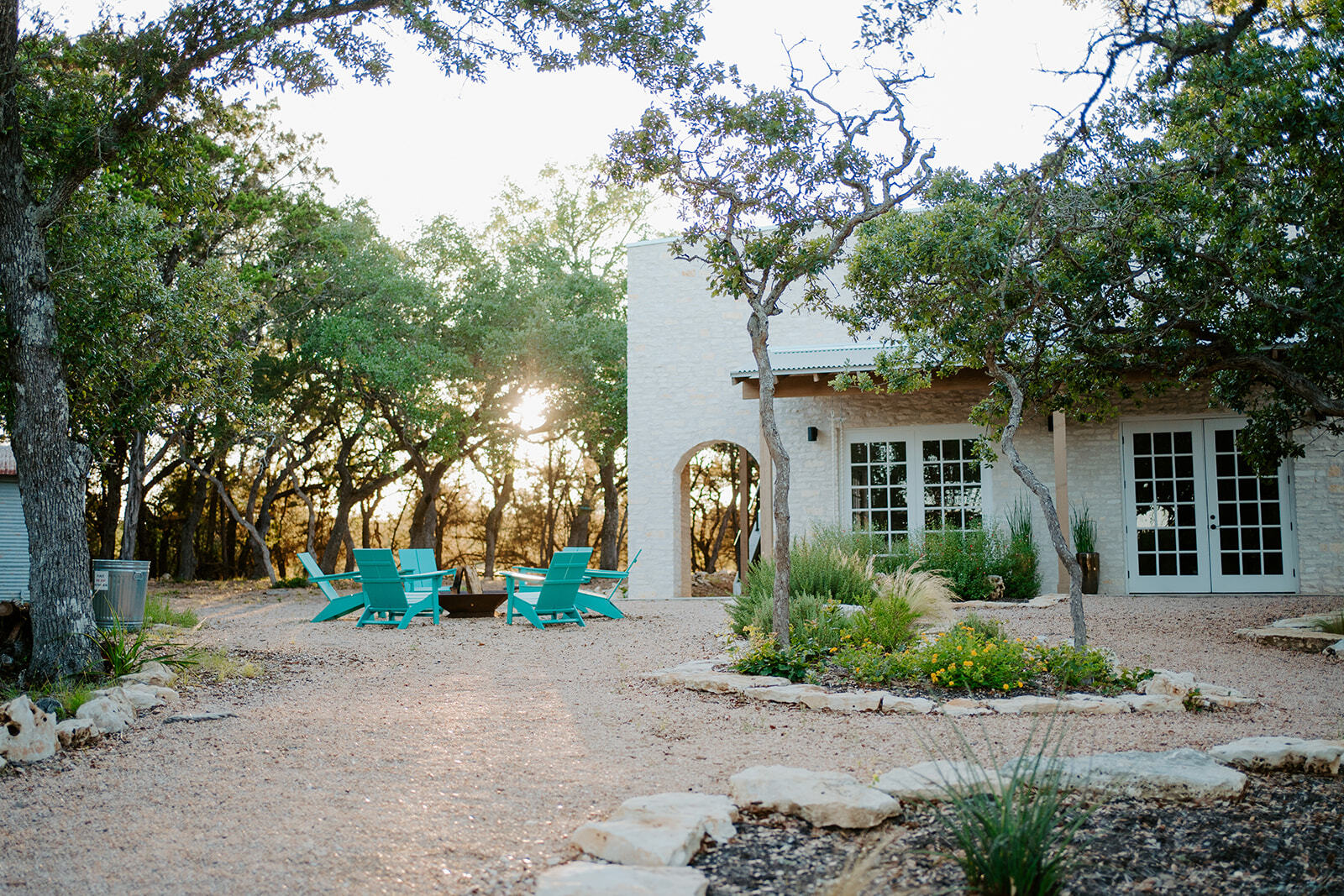
If your team needs to decompress and reconnect, the Texas Hill Country is calling. This region is dotted with charming towns, scenic drives, and, of course, wineries. Imagine brainstorming sessions with a backdrop of rolling hills or team-building exercises that involve exploring local vineyards. It’s a perfect spot for fostering a relaxed yet productive atmosphere. Many ranches and resorts here offer dedicated event spaces that feel a world away from the office. It’s a great choice for teams looking to escape the hustle and bustle. For a unique experience, consider a place like Lucky Arrow Resort which offers a versatile venue with plenty of lodging and activities.
Experiencing Urban Sophistication in Houston
For a more metropolitan feel, Houston provides a sophisticated setting. It boasts world-class dining, impressive museums, and a thriving business scene. You can find venues that cater to corporate needs with advanced technology, while also offering opportunities for your team to explore the Space Center Houston or enjoy the city’s diverse cultural offerings. It’s a great choice for teams that appreciate a blend of professional amenities and urban excitement. The sheer variety of activities available means there’s something for everyone.
Discovering Austin’s Vibrant Scene
Austin is buzzing, and for good reason. It’s a city that knows how to blend work with play. You can find venues that offer modern meeting facilities alongside easy access to live music, great food trucks, and outdoor activities like hiking and kayaking on Lady Bird Lake. It’s a place where innovative ideas can really take flight. This city is a fantastic option for teams that want a vibrant atmosphere and plenty of after-hours entertainment. You can easily find places that cater to corporate needs while still offering that unique Austin vibe. It’s a great spot for a dynamic team experience.
Considering San Antonio’s Historic Appeal
San Antonio brings a unique historical and cultural flavor to corporate retreats. The iconic Riverwalk offers a picturesque setting for evening strolls and team dinners. Beyond the charm, you’ll find convention centers and hotels equipped for business functions. Exploring The Alamo or taking a guided tour can add an educational and engaging element to your team’s experience. It’s a city that offers a relaxed pace but still has plenty to keep everyone engaged.
When planning your retreat, remember that the goal is to build stronger bonds and come back refreshed. Mix in some structured team-building exercises with plenty of free time for people to just hang out and chat. It’s often in those casual moments that the best ideas and connections happen.
Ensuring Seamless Retreat Execution
Getting everyone to the right place at the right time, and making sure they have what they need, is a big part of making a retreat work. It’s not just about the big ideas discussed; it’s about the smooth flow of the whole experience. When things run like clockwork, your team can actually focus on what matters – connecting and strategizing.
The Importance of On-Site Lodging
Think about it: no one wants to waste precious retreat time commuting back and forth from a hotel. Having everyone stay right where the meetings and activities are happening makes the whole event feel more connected. It means more spontaneous conversations can happen by the coffee station, and people aren’t stressed about missing a session because of traffic. It keeps the group together, which is kind of the whole point, right?
Creating an Atmosphere That Matches Goals
The vibe of your retreat space really matters. If you’re there to brainstorm big ideas, you need a place that feels open and inspiring, not stuffy and corporate. On the flip side, if it’s a serious strategy session, you want a setting that feels professional and focused. The environment should support the work you’re trying to do. It’s like wearing the right clothes for the occasion – it just makes everything feel more appropriate and productive.
Balancing Connectivity and Disconnection
This is a tricky one. We all need to be reachable sometimes, especially if there are urgent work matters back home. So, good Wi-Fi is a must. But at the same time, a retreat is a chance to step away from the constant ping of emails and notifications. The best retreats find that sweet spot. They offer reliable internet when you need it, but also encourage people to put their phones down during key sessions or downtime. It’s about being present.
Here’s a quick look at what makes a retreat atmosphere effective:
- Focus: Does the space allow for deep concentration?
- Comfort: Are people relaxed and able to be themselves?
- Inspiration: Does the setting spark new ideas and creativity?
- Functionality: Does it have the right tools and layout for your planned activities?
Making sure the practical side of the retreat is handled well means your team can actually relax and get the most out of the experience. It’s the behind-the-scenes magic that lets the main event shine.
Leveraging Expert Planning Resources
Planning a corporate retreat can feel like a lot, right? You’ve got goals to hit, teams to motivate, and let’s be honest, a whole lot of details to sort out. Sometimes, trying to do it all yourself can add more stress than it’s worth. That’s where bringing in the pros comes in handy.
When to Hire Corporate Retreat Planners
If the thought of coordinating travel, booking venues, and designing activities makes your head spin, it might be time to consider professional help. Corporate retreat planners take the heavy lifting off your plate. You tell them your budget and what you need the retreat to achieve, and they handle the time-consuming tasks. They’ve already got the contacts and the know-how to put things together smoothly, saving you hours of research. For example, a company like Inspired Corporate Travel can manage everything from venue selection to on-site coordination.
Benefits of Professional Event Coordination
Working with an event planner means you get access to their network of trusted vendors and venues. They often have relationships that can get you better rates or access to places you might not find on your own. Plus, they’re experienced in anticipating and handling the unexpected – think last-minute changes or technical glitches. This means you can actually focus on the retreat’s objectives and enjoy the event with your team, rather than worrying about the logistics.
Here’s a quick look at what they typically manage:
- Venue Sourcing: Finding the perfect spot that fits your group size and vibe.
- Activity Curation: Planning engaging sessions and fun team-building exercises.
- Logistics Management: Handling travel, accommodation, catering, and on-site needs.
- Budget Oversight: Keeping track of expenses and finding cost-effective solutions.
Finding Experienced Planning Partners
When you’re looking for someone to help, think about what’s most important for your retreat. Some planners specialize in specific types of events or locations. Others offer a full suite of services, from initial concept to post-event analysis. It’s worth looking into companies that have a proven track record and can provide references. Many platforms can help you discover and book venues faster, often with discounts on accommodations, streamlining the entire process.
Trying to manage every single detail of a corporate retreat can pull you away from your core responsibilities. Professional planners are essentially an extension of your team, dedicated to making the event a success so you don’t have to.
Ready for Your Texas Escape?
So, if you’re looking to get your team out of the office and into something a little more inspiring, Texas has some great spots. Whether it’s the wide-open spaces of a ranch or the natural beauty of East Texas, these places offer a chance to connect, recharge, and get some good work done. Think about it – fresh air, good food, and a change of scenery can really make a difference. It’s not just a trip; it’s an investment in your team’s energy and how they work together. Give it a try, you might be surprised at what a little Texas sunshine can do.
Frequently Asked Questions
Why should we pick Texas for our company trip?
Texas is a great choice because it has friendly people and lots of different places to see. You can find busy cities or quiet country spots. It’s a cool way to get away from the usual office and make fun memories with your team.
What makes Texas cities good for company trips?
Cities like Austin, Houston, and San Antonio are awesome for company trips. They have fun things to do, like live music or old historical places, plus modern spots for meetings. This means you can mix work with having a good time.
Can we find calm places in Texas for a retreat?
Absolutely! The Texas Hill Country is famous for its pretty hills, wineries, and peaceful spots. It’s a perfect place to chill out and help your team get to know each other better.
What fun activities can we do on a Texas retreat?
You can do tons of things! Explore nature, visit wineries, enjoy live music, or check out historical sites. Many places also have special team activities, like horseback riding or outdoor games.
How do we plan the money for a company retreat in Texas?
First, figure out your total budget. Then, look for places to stay and things to do that fit what you can spend. Many resorts offer packages that can help manage costs for rooms, food, and activities.
Are there places in Texas good for outdoor team-building?
Yes, many ranches and resorts, especially in areas like the Hill Country, have large open spaces that are perfect for team-building outside. You can go hiking, ride horses, or do other fun group activities.
What’s the best way to choose a place for our retreat?
Think about what your team needs. Do you want a quiet place to focus or a lively city? Consider how many people are coming and what kind of activities you want. Reading reviews and visiting beforehand can help a lot.
How important is planning activities for a retreat?
Activities are super important! They help your team connect and have fun. It’s good to mix planned sessions with relaxed times or adventures. This makes the retreat more enjoyable and memorable for everyone.