
Planning an overnight corporate retreat can feel like a big task, right? You want everyone to have a good time, get some work done, and come back feeling refreshed. But let’s be honest, where you all stay can make or break the whole thing. It’s not just about a place to sleep; it’s about setting the stage for connection, productivity, and maybe even a little fun. So, let’s talk about why picking the right lodging for your next overnight corporate retreat really matters.
Key Takeaways
- When picking a spot for your overnight corporate retreat, think about how easy it is for everyone to get there. A place that’s hard to reach can cause stress before the fun even starts.
- Your lodging needs to be comfy but also practical. You want places where people can relax, but also where work can happen if needed.
- The right accommodations can really help your team bond. Shared spaces and downtime can lead to unexpected conversations and stronger relationships.
- Don’t forget about budget! Figure out how much lodging will cost per person and see if you can get any group discounts to make your overnight corporate retreat more affordable.
- Think about how the lodging fits with your planned activities. Having amenities on-site or nearby can make moving between work and fun much smoother.
Choosing the Right Setting For Your Overnight Corporate Retreat
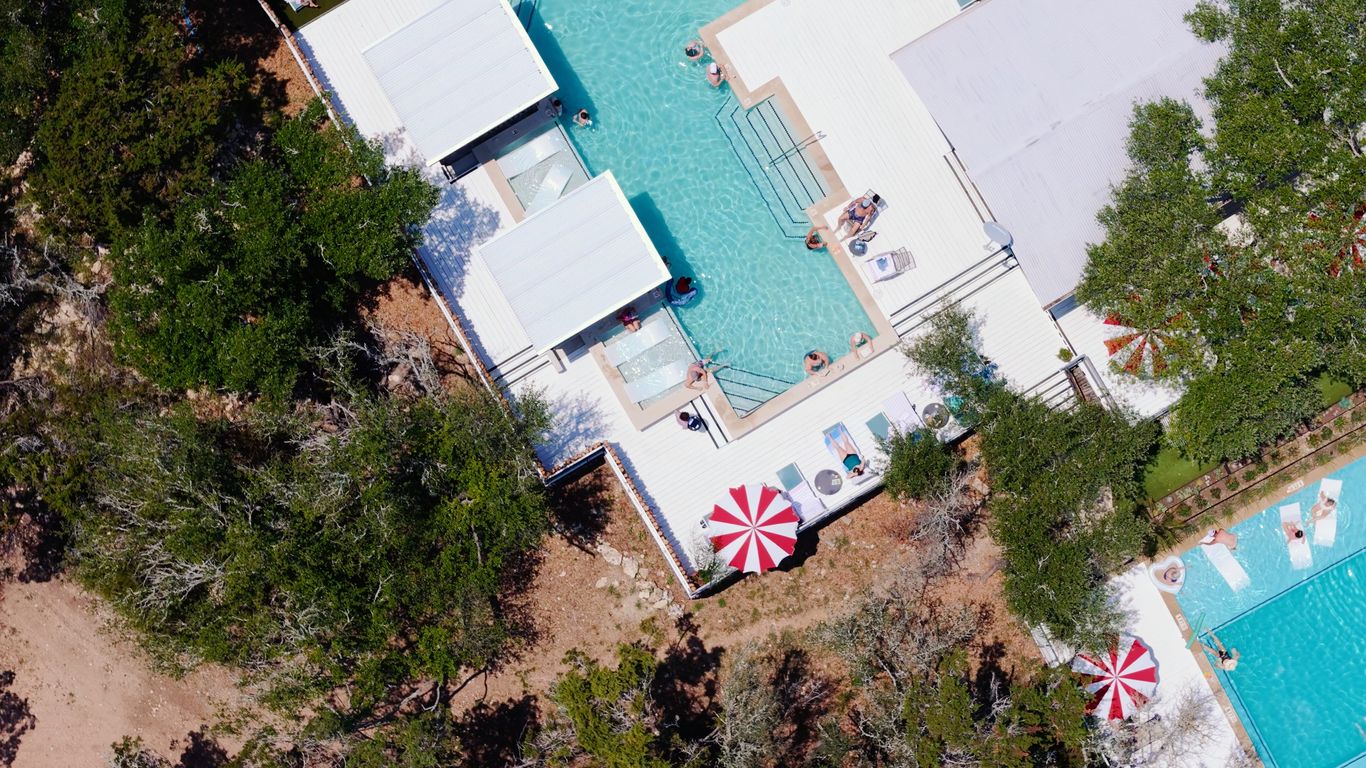
So, you’re planning an overnight corporate retreat. Awesome! This is a fantastic opportunity to get your team away from the usual office grind, spark some creativity, and just generally build some stronger connections. But before you get to the fun stuff like team-building games or brainstorming sessions, you’ve got to nail down the location. The setting you pick can seriously make or break the whole experience, so let’s talk about how to get it right.
Considering Accessibility and Proximity
First things first, think about how easy it will be for everyone to get there. If your team is spread out, you don’t want people spending half their retreat stuck in transit. Look for a spot that’s reasonably close to major airports or transportation hubs. This makes travel simpler for everyone, especially if you have folks flying in from different cities. A convenient location means less travel stress and more time for actual retreat activities. It’s all about making it as smooth as possible for your team to arrive refreshed and ready to go. You can find some great company retreat location ideas that balance a sense of escape with practical travel needs.
Balancing Comfort and Functionality in Lodging
Once you’ve got a general area in mind, it’s time to think about the actual lodging. You need a place that’s both comfortable and practical for work. Imagine trying to focus on important discussions in a room that’s too cramped or lacks basic amenities. On the flip side, a super luxurious but totally impractical space might not be ideal either. You’re looking for that sweet spot: comfortable enough for people to relax and recharge, but also equipped with what you need for productive work sessions. Think about things like good Wi-Fi, adequate meeting spaces, and comfortable seating. It’s like finding the perfect pair of shoes – they need to fit well and be suitable for the activity.
Ensuring Adequate Space for All Attendees
This one might seem obvious, but it’s super important: make sure there’s enough room for everyone. A retreat is supposed to be a shared experience, and nobody wants to feel like they’re constantly in the way or squeezed into a corner. This applies to both sleeping arrangements and meeting spaces. If you’re booking rooms, confirm the capacity. For meeting areas, consider if there’s enough space for everyone to participate comfortably, whether you’re doing a big group discussion or smaller breakout sessions. Planning for adequate space helps make the whole event feel more inclusive and productive for the entire team. It really makes a difference when everyone feels like they have their own comfortable spot.
The Impact of Lodging on Team Dynamics
Think about it: where your team rests their heads after a long day of meetings and activities can really shape the whole experience. It’s not just about having a place to sleep; it’s about creating an environment that helps people connect and recharge. The right lodging can make a big difference in how your team feels about the retreat and each other.
Fostering Connections Through Shared Spaces
When you’re planning an overnight corporate retreat, the lodging you choose plays a big role in how your team interacts. If you opt for accommodations with comfortable common areas – like a cozy lounge, a patio with seating, or even a shared dining space – you’re naturally creating opportunities for informal chats. These aren’t the structured meetings you’ll have during the day, but rather spontaneous conversations that happen over coffee or while unwinding. These casual moments are gold for building rapport. People get to know each other outside of their usual work roles, which can lead to stronger working relationships back at the office. It’s these shared spaces that really help build a sense of community.
Providing Essential Downtime and Privacy
While connection is key, so is giving everyone a chance to decompress. Your team members are likely coming from busy lives, and a retreat shouldn’t feel like a constant obligation. Having private rooms, even if they’re simple, gives people a personal space to relax, catch up on emails, or just have a quiet moment to themselves. This balance between shared experiences and personal time is super important. If everyone feels they have to be
Accommodation Options for Memorable Retreats
When you’re planning an overnight corporate retreat, the place where everyone sleeps can really make or break the experience. It’s not just about having a bed; it’s about creating an environment that supports your goals, whether that’s intense brainstorming or relaxed team bonding. Thinking about unique lodging experiences can set your retreat apart from the usual hotel conference room.
Exploring Unique Lodging Experiences
Forget the standard hotel chain for a moment. Consider places that offer a bit more character. Think about boutique hotels with distinct decor, rustic cabins nestled in nature, or even glamping sites for a more adventurous feel. These kinds of places can spark conversation and create shared memories. For example, a place like Lucky Arrow Resort in the Texas Hill Country offers a blend of unique accommodations and activities that can really energize a team. The setting itself becomes part of the retreat’s story, making it more memorable than a generic room.
The Benefits of On-Site Accommodations
If your retreat involves a lot of activities and sessions, having everyone stay on-site can be a game-changer. It cuts down on travel time between your meeting space and where people are sleeping, making the schedule flow much smoother. Plus, it keeps the team together, encouraging more informal interactions during downtime. This convenience means less logistical hassle for you and more time for your team to connect and focus on the retreat’s objectives. It’s all about making things easy and keeping the momentum going.
Matching Lodging to Retreat Goals
Your choice of lodging should really align with what you want to achieve. If the goal is deep strategic planning, you might want quiet, comfortable rooms with good workspaces. If it’s about building camaraderie, perhaps a place with shared common areas or fun recreational facilities would be better.
Here’s a quick way to think about it:
- Relaxed Bonding: Look for places with lounges, outdoor spaces, or communal dining areas.
- Intensive Work Sessions: Prioritize quiet environments, reliable Wi-Fi, and comfortable, private rooms.
- Creative Brainstorming: Consider unique settings that inspire new ideas, like a lodge with inspiring views or a modern space with flexible layouts.
The right lodging isn’t just a place to sleep; it’s an active participant in the retreat’s success, influencing mood, interaction, and overall productivity. Choosing wisely means you’re investing in the team’s experience and the outcomes you hope to achieve.
Ultimately, the accommodation you select plays a significant role in the overall success and feel of your corporate getaway. It’s worth putting thought into how it can support your team’s experience and your company’s objectives.
Budgeting for Your Overnight Corporate Retreat Lodging

Alright, let’s talk about the money side of things. Planning a corporate retreat is exciting, but you’ve got to keep your feet on the ground when it comes to the budget. Lodging is usually one of the biggest chunks, so getting this right is key to a successful and financially sound event. Think of it like building a house – you need to know how much lumber and nails you’ll need before you start hammering.
Estimating Accommodation Costs Per Person
First off, you need a ballpark figure for what lodging will cost per person. This isn’t just about the room rate; it includes taxes, any resort fees, and sometimes even breakfast if it’s not included. Based on what we’ve seen, the average spend for accommodations, food, and activities can land anywhere from $400 to $2,500 per person per night, with a common middle ground around $688. It really depends on the level of luxury and the services you’re looking for. A good starting point is to set a target price per person and work backward from there. This helps you stay focused and avoid overspending right out of the gate. Remember to factor in potential price increases if you’re booking far in advance or during peak season.
Negotiating Room Blocks for Discounts
Here’s a pro tip: don’t just book rooms one by one. When you’re looking at hotels or resorts, ask about setting up a “room block.” This means you’re reserving a set number of rooms for your group. Hotels are often willing to give you a discount for booking multiple rooms at once. It’s a win-win – you get a better rate, and the hotel secures a good chunk of business. Plus, it makes managing reservations much simpler. Always ask about the terms and conditions, like how many rooms you can cancel without penalty and by what date. This flexibility can be a lifesaver if your attendee numbers fluctuate. You can find great deals on corporate retreat venues in Texas by negotiating these blocks.
Understanding the Value of Your Investment
It’s easy to get caught up in just the numbers, but try to see your lodging budget as an investment. A comfortable and well-located place to stay can significantly impact your team’s morale and productivity. When people feel well-rested and taken care of, they’re more likely to engage, collaborate, and come up with great ideas. Think about the overall experience you want to create. Sometimes, spending a little more on lodging can pay off in terms of team satisfaction and the success of the retreat’s objectives. It’s about finding that sweet spot where comfort meets your financial plan.
Here’s a quick way to think about allocating your funds:
- Accommodation: Where everyone sleeps and relaxes.
- Transportation: Getting everyone to and from the venue.
- Food & Beverage: Keeping everyone fueled and happy.
- Activities: The fun stuff that builds connections.
Trying to stick to a budget doesn’t mean you have to skimp on quality. Smart planning, like looking for venues with built-in activities or encouraging carpooling, can save money without sacrificing the retreat experience. It’s all about being resourceful.
When you’re figuring out your budget, consider the “quarter rule” – dividing your total budget roughly into four equal parts for these main categories. This gives you a solid framework to start with. Of course, you can adjust based on your specific retreat goals. If the main aim is intense brainstorming, you might allocate more to meeting spaces and less to elaborate evening entertainment. Conversely, a morale-boosting retreat might prioritize comfortable rooms and fun group activities.
Integrating Lodging with Retreat Activities
When you’re planning an overnight corporate retreat, it’s not just about booking rooms and then forgetting about them. The lodging you choose and how it fits into your overall schedule can really make or break the experience. Think of it like this: your accommodation isn’t just a place to sleep; it’s part of the whole package, and it needs to work hand-in-hand with everything else you’ve got planned.
Leveraging Venue Amenities
Most good retreat venues come with a bunch of built-in features that you should absolutely take advantage of. These aren’t just extras; they’re opportunities to make your retreat more engaging and less work for you to organize. Are there common areas like lounges or patios? These are perfect for informal chats or a relaxed brainstorming session away from the main meeting room. Does the venue have a gym, a pool, or maybe even a walking trail? These can be great for team-building activities or just giving people a chance to decompress. Don’t overlook the simple things like on-site dining or coffee shops either – they can be hubs for spontaneous conversations.
When you’re looking at venues, ask specifically about what amenities are included and how you can use them. Sometimes there are extra costs, but often, they’re part of the package. Think about how these amenities can support your retreat goals. If you want to encourage collaboration, spaces that naturally bring people together are key. If relaxation is a priority, then access to nature or wellness facilities becomes more important. Planning your activities around these existing resources saves you time and money, and often leads to more organic interactions.
Planning Evening Activities Around Lodging
Evenings are prime time for team bonding, and your lodging plays a big role here. Instead of just sending everyone back to their rooms, think about how the accommodation setup can facilitate evening get-togethers. If you’ve booked a hotel with a nice bar or a common lounge area, that’s a natural spot for a casual evening reception. If you’ve opted for a rental house or a resort with private cabins, you can organize a bonfire, a game night, or even a shared meal. The key is to make these evening activities feel like a natural extension of the day’s work and a chance to connect on a more personal level.
Consider the flow of your retreat. After a full day of meetings or workshops, people might be tired. Planning an evening activity that’s low-key and accessible from their rooms can be much more successful than something that requires a lot of travel or effort. This is where convenience really matters. If the evening activity is right there, people are more likely to participate. It also means you don’t have to worry as much about transportation logistics after dark.
Creating a Seamless Flow Between Work and Play
Ultimately, the goal is to make your retreat feel cohesive, not like a series of disconnected events. Your lodging choice should support this. If your meeting space is separate from your accommodation, how easy is it for people to get between them? Are there clear pathways? Is it a short walk, or does it require a shuttle? Minimizing these logistical hurdles helps create that smooth transition from work sessions to downtime and back again. It means less time spent figuring out logistics and more time spent engaging with colleagues.
Think about the overall vibe you want to create. If it’s a relaxed, informal retreat, then perhaps a lodge with shared common areas and easy access to outdoor spaces makes sense. If it’s a more intensive working session, then a hotel with good meeting facilities and comfortable rooms for focused work might be better. Whatever your goals, make sure the lodging isn’t an afterthought but an active participant in making your retreat a success. It’s all about making things easy and enjoyable for your team.
Key Considerations for Lodging Selection

When you’re planning an overnight corporate retreat, picking the right place to stay is a big deal. It’s not just about having a bed; it’s about creating an environment that supports your retreat’s goals. Think of it like choosing the perfect spot for a team photo – the background really matters!
Assessing Venue Capacity and Layout
First off, you need to make sure the lodging can actually fit everyone comfortably. It’s no fun when people are crammed into rooms or when there aren’t enough common areas for folks to gather. You’ll want to check the total number of rooms available and also how the space is laid out. Are there quiet corners for people who need to catch up on work, or maybe a lounge area where spontaneous conversations can happen? A venue that offers a variety of spaces, from meeting rooms to casual hangouts, is usually a win. This helps in planning a successful corporate retreat.
Evaluating On-Site Services and Facilities
Beyond just the rooms, what else does the place offer? Think about things like Wi-Fi, meeting equipment, dining options, and any recreational facilities. If your retreat involves workshops or presentations, you’ll need reliable tech. If you want your team to relax and connect, on-site amenities like a gym, pool, or even just nice walking paths can make a big difference. It’s worth doing a thorough check of what’s included and what might cost extra. Sometimes, venues offer package deals that bundle lodging and meals, which can be a real budget-saver.
Prioritizing Guest Comfort and Needs
Ultimately, your team’s comfort is key. This means considering things like room quality, noise levels, and whether the overall atmosphere is conducive to both work and relaxation. Are the beds comfy? Is the heating or air conditioning reliable? Does the place feel welcoming? You might even consider sending out a quick, anonymous survey beforehand to gauge preferences or any specific needs, like dietary restrictions or accessibility requirements. Making sure everyone feels looked after goes a long way in making the retreat a positive experience for all. Remember, a well-rested and comfortable team is a more productive team.
Making the Most of Your Overnight Stay
So, you’ve picked the perfect spot and booked the rooms. Great! But the lodging itself is just the starting point. To really make your overnight corporate retreat a success, you need to think about how everyone will use the space outside of the scheduled sessions. It’s about creating an environment where people can connect, recharge, and feel genuinely comfortable.
Encouraging Team Interaction Beyond Sessions
Think about how you can get people talking and bonding when they’re not in a formal meeting. Shared spaces are goldmines for this. A cozy lounge area with comfy seating, a common dining space, or even just well-placed tables in a lobby can encourage impromptu conversations. These casual interactions are often where the best ideas spark and where genuine team connections are built. Don’t underestimate the power of a well-designed common area. It’s a place where people can naturally gather, share a laugh, or discuss a topic from the day’s sessions without the pressure of a formal setting. This is where you can really see your team’s dynamic shift. Planning a corporate offsite in Texas, for example, can offer unique opportunities for these informal gatherings, blending business with a change of scenery.
Utilizing Common Areas for Informal Gatherings
When you’re planning your retreat, actively think about the common areas. Are they inviting? Do they have amenities that encourage people to linger, like coffee stations, board games, or even just good lighting? Consider setting up a casual coffee break in a lounge area, or perhaps a happy hour in a space that’s not your main meeting room. These moments allow people to mingle with colleagues they might not interact with daily. It’s a chance for cross-departmental connections to form, which can be incredibly beneficial back at the office. Think about providing some light snacks or drinks in these areas during downtime. It’s a small gesture that can make a big difference in encouraging people to use the space and connect with each other.
Maximizing Relaxation and Rejuvenation
An overnight stay means people need time to switch off. While structured activities are important, so is downtime. Make sure your lodging arrangements allow for this. If rooms are comfortable and private, people can retreat and recharge. Also, consider the venue’s amenities. Is there a quiet space for reading? A gym or pool for unwinding? Even just access to nature, like a walking path, can be a great way for people to decompress. Providing options for relaxation is just as important as providing options for work. People return to their tasks with more energy and focus when they’ve had a chance to truly relax. Remember, a well-rested team is a more productive team. It’s about finding that balance between productive work sessions and genuine downtime, making the entire experience more rewarding for everyone involved.
Here’s a quick look at how different types of common areas can be used:
- Lounge Areas: Perfect for casual chats, reading, or small group discussions.
- Outdoor Patios/Gardens: Ideal for fresh air breaks, informal meetings, or simply enjoying the scenery.
- Game Rooms/Recreation Areas: Great for team-building activities and stress relief.
The goal is to create an atmosphere where your team feels both productive and at ease. When people feel cared for and have space to breathe, they’re more likely to engage fully and contribute their best work.
The Strategic Importance of Lodging Choices
When you’re planning an overnight corporate retreat, the place where everyone stays isn’t just a place to sleep. It’s a big part of the whole experience, and it can really affect how well your retreat goes. Think of it like picking the right stage for a play – the setting matters!
Aligning Lodging with Retreat Objectives
Before you even start looking at hotels or cabins, take a step back and think about why you’re having this retreat. Are you trying to brainstorm new ideas? Build stronger team bonds? Train people on new skills? The lodging you choose should support these goals. For instance, if your main aim is intense brainstorming, you’ll want a place that offers quiet spaces and maybe even breakout rooms right where people are staying. If it’s more about relaxation and getting to know each other, a place with nice common areas or outdoor spaces might be better. Making sure your lodging fits your retreat’s purpose is key to a successful event. It’s about making sure the environment helps you achieve what you set out to do, like aligning employees with shared goals.
Enhancing Productivity Through a Comfortable Environment
Let’s be real, nobody works their best when they’re uncomfortable. Choosing lodging that offers a good balance of comfort and functionality is super important. This means comfortable beds, clean facilities, and maybe even a decent workspace in the room if people need to catch up on emails. When your team feels well-rested and taken care of, they’re more likely to be engaged and productive during the day’s sessions. Think about it: a tired, grumpy employee isn’t going to be contributing their best ideas. Good lodging helps prevent that, making the whole event more worthwhile.
Boosting Morale with Thoughtful Accommodation
Little touches can go a long way in making your team feel appreciated. When you put thought into the accommodation, it shows your employees that you care about their well-being. This could mean offering single rooms instead of forcing people to share, or choosing a venue that has amenities people will enjoy, like a gym or a nice lounge area. Even something as simple as providing good quality toiletries or ensuring the Wi-Fi is reliable can make a difference. These thoughtful details contribute to a positive overall experience, boosting morale and making people feel more connected to the company. It’s a smart way to invest in your team’s happiness and, by extension, your company’s return on investment.
Here are a few things to keep in mind when selecting your lodging:
- Location, Location, Location: Is it easy for everyone to get to? Consider travel time and transportation options.
- Room Comfort: Are the rooms clean, quiet, and equipped with what your team needs?
- Common Areas: Are there spaces where people can gather informally to chat or work together?
- Amenities: What extras does the venue offer that could add to the experience, like a pool, restaurant, or meeting rooms?
Choosing the right lodging isn’t just about booking rooms; it’s about creating an environment that supports your retreat’s goals and makes your team feel valued and comfortable. It’s a strategic decision that impacts the entire event.
Choosing the right place to stay is a big deal for any trip. It can make your vacation awesome or just okay. Think about where you want to be and what kind of vibe you’re going for. Do you want to be close to the action, or somewhere quiet and relaxing? Your lodging choice sets the tone for your whole adventure. Ready to find your perfect getaway spot? Visit our website to explore all the amazing options we have waiting for you!
So, What’s the Takeaway?
Alright, so we’ve talked a lot about planning a corporate retreat, and hopefully, you’re feeling a bit more confident about it. Remember, the place you choose to stay and work for a couple of days isn’t just a building; it’s where your team will connect, brainstorm, and maybe even discover some new things about each other. Picking the right spot can really make or break the whole experience, so don’t just go with the first option you find. Think about what your team needs, what kind of vibe you’re going for, and how the lodging fits into that. A good choice means a more relaxed, productive, and memorable time for everyone. Happy planning!
Frequently Asked Questions
Why is picking the right place to stay so important for a company trip?
The place where your team stays can really change how the whole trip goes. A good spot helps everyone feel comfy and connected, making it easier to work together and have fun. A bad spot, though, can make people uncomfortable and distracted, which isn’t good for getting things done or building team spirit.
How can the lodging help my team get along better?
When you have nice common areas, like a lounge or a patio, your team can hang out together outside of meetings. This helps them chat, share ideas, and get to know each other better in a relaxed way. Think of it like having a cozy living room where everyone can gather.
What if my team needs some alone time during the trip?
It’s super important that everyone has their own space to relax and recharge. Good lodging gives people private rooms or quiet areas where they can go to be by themselves. This helps them avoid feeling overwhelmed and come back to group activities feeling refreshed.
How do I figure out how much to spend on places to stay?
To get a good idea of costs, think about how much you can spend per person for each night. You can also try to book a bunch of rooms at once, which is called a room block. Hotels often give you a discount for booking many rooms, which can save your company money.
Can the place we stay help with our trip’s activities?
Yes, totally! Many places have cool extras like pools, game rooms, or nice outdoor spots. You can use these for team-building games, relaxing breaks, or even informal brainstorming sessions. It’s like getting extra fun and useful spaces included with your stay.
What should I look for when choosing a place to stay?
You’ll want to make sure there’s enough room for everyone, both in their sleeping areas and in places where the whole group can meet. Also, check if the place has things like good Wi-Fi, comfortable seating, and maybe even a place to grab a snack. Making sure your team is comfortable is key.
How can we make the most of our stay, even after the work is done?
Encourage your team to use the common areas for chats or games after meetings. Maybe set up a casual get-together by a bonfire or in a lounge. Giving people chances to relax and connect informally makes the whole trip more enjoyable and helps build stronger bonds.
How does the lodging choice affect the main goals of our trip?
The place you choose should match what you want to achieve. If your goal is to brainstorm new ideas, a place with inspiring views or quiet breakout rooms might be best. If it’s about team bonding, a place with fun activities and social spaces would be a better fit. The lodging should support your main objectives.