
Planning a small business conference might seem like a lot, especially when you’re already busy running your company. But with a good plan, it’s totally doable. Think of it like this: you wouldn’t build a house without blueprints, right? This guide is your blueprint for putting together a great small business conference that people will talk about, and more importantly, one that actually helps your business grow. We’ll break down the whole process, from the big ideas to the tiny details, so you can feel confident every step of the way.
Key Takeaways
- Start by figuring out exactly what you want your small business conference to achieve. Knowing your goals will guide all your other choices.
- Pick a venue that fits your event’s purpose and your expected number of guests. Think about comfort, layout, and what extras the place offers.
- Make sure your conference has a clear theme and consistent branding from start to finish, so it feels put-together and memorable.
- Map out a timeline for planning, from the early stages to the final days. Breaking it down makes the whole process less overwhelming.
- Don’t forget the follow-up after the event. Checking in with attendees and sponsors, and reviewing what you learned, is key to getting real value from your conference.
Laying The Groundwork For Your Small Business Conference
Before you even think about booking a venue or sending out invites, you need to get clear on why you’re hosting this conference in the first place. This initial groundwork is super important; it’s like building the foundation of a house. Without it, everything else you do might end up wobbly.
Setting Clear Conference Goals
So, what do you actually want to achieve with this event? Is it about generating new leads for your sales team? Maybe you’re looking to boost brand awareness and get your name out there more. Or perhaps the goal is to educate your existing customers or even forge new partnerships. Having crystal-clear goals will guide every single decision you make from here on out, from the type of speakers you invite to the kind of swag you hand out. Think about what success looks like for your business and write it down.
Defining Your Ideal Attendee
Who are you trying to attract? Picture your perfect attendee. What’s their job title? What are their biggest challenges? What kind of information are they looking for? Knowing your audience inside and out helps you tailor the entire conference experience to them. This means everything from the content and speakers to the networking opportunities and even the location should feel like it was made just for them. It’s about creating an event that truly speaks to their needs and interests.
Establishing Budget Parameters And Success Metrics
Let’s talk money. You need a realistic budget. Figure out how much you can spend and where that money will go. But it’s not just about spending; it’s also about how you’ll measure if the event was actually worth it. What numbers will tell you if you hit your targets? This could be ticket sales, how many new leads you got, or even how many people signed up for a demo after the event. Setting these metrics early means you can track your progress and know if your conference planning is on the right track.
Here’s a simple way to think about your budget:
Expense Category | Estimated Cost |
|---|---|
Venue Rental | $X,XXX |
Catering | $X,XXX |
Speaker Fees | $X,XXX |
Marketing | $X,XXX |
Swag | $X,XXX |
Contingency (10%) | $XXX |
Clarifying Your Revenue Streams
Will your conference make money, or is it purely an investment in marketing or customer relations? If you plan to generate revenue, how will that happen? Ticket sales are the most obvious, but you could also explore sponsorships, offer premium workshops for an extra fee, or even sell merchandise related to the event. Understanding your revenue model upfront is key to making sure the conference is financially viable and contributes positively to your business. This is a big part of making sure your conference planning pays off. You can start by looking at how other events structure their ticket sales.
Getting these foundational elements sorted early on makes all the subsequent planning steps much smoother. It’s about having a clear roadmap before you start the journey.
Choosing The Perfect Venue For Your Small Business Conference
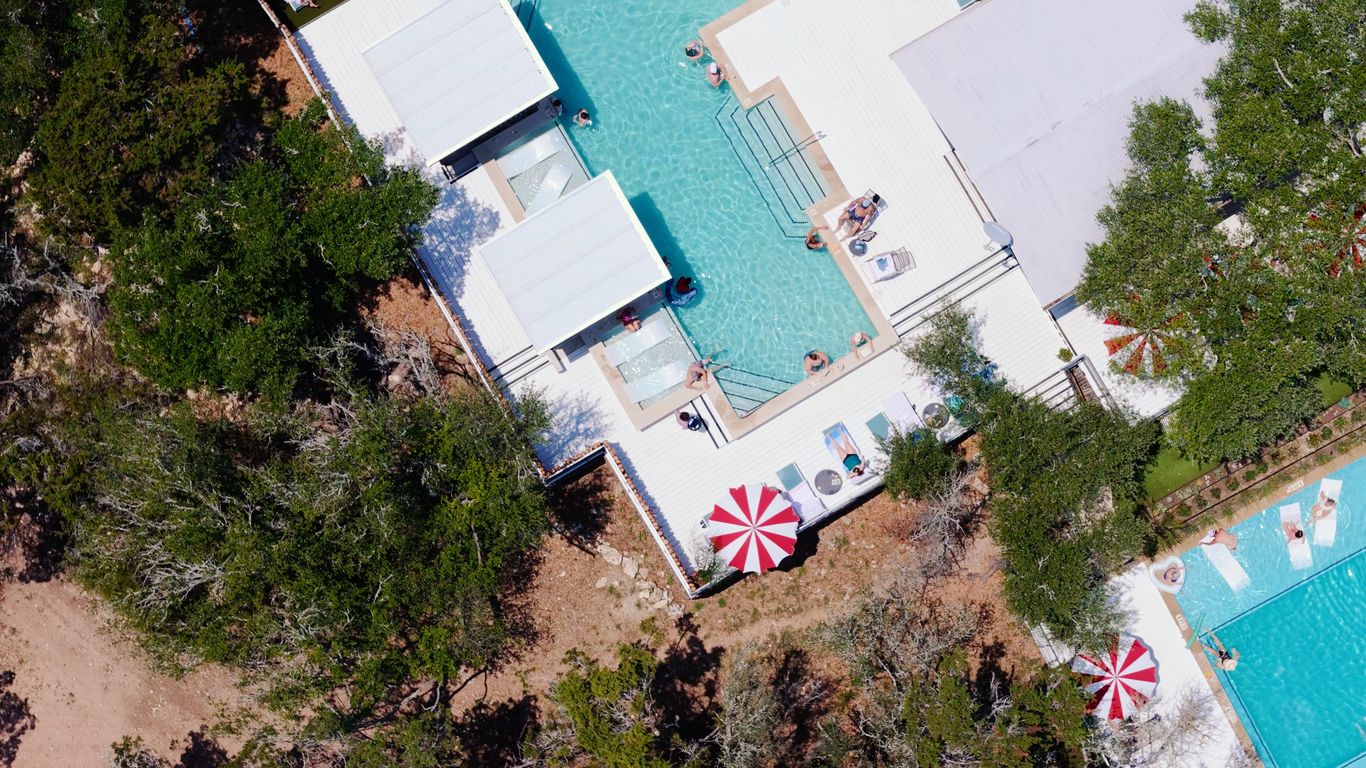
Finding the right spot for your small business conference is more than just picking a place with enough chairs. It’s about setting the stage for everything that follows, from the vibe of your event to how smoothly things run on the day. Think of the venue as the first big impression you’ll make on your attendees, so you want it to count.
Aligning Venue With Event Purpose
Before you even start looking at floor plans, take a moment to think about what you actually want your conference to do. Is it a high-energy brainstorming session, a formal learning environment, or a relaxed networking mixer? The purpose of your event should directly influence the kind of space you need. A venue that feels stuffy and corporate might not work for a creative workshop, while a trendy, open-plan space might be too distracting for a series of in-depth lectures. You want the location to support your goals, not fight against them. For instance, if lead generation is a key objective, you’ll want a space that naturally encourages mingling and conversation, perhaps with comfortable lounge areas in addition to presentation rooms. This is where venue capacity and layout become really important.
Considering Capacity And Room Layouts
Once you know the why, you can figure out the how much and how. How many people are you expecting? It’s better to have a little extra space than to feel cramped. Overcrowding can make attendees uncomfortable and hinder networking. Also, think about the flow. Do you need one large room, or several smaller breakout spaces? A good layout can make a huge difference in how people move around and interact. Consider if you need a dedicated space for registration, a quiet area for speakers to prepare, or a spot for sponsors to set up. The physical arrangement of the space can really impact the attendee experience, so don’t just look at the square footage; look at how it’s divided and how you can use it.
Exploring Unique And Inspiring Locations
While hotel ballrooms and convention centers are reliable choices, don’t be afraid to think outside the box. Sometimes, a less conventional venue can add a memorable spark to your conference. Think about museums, art galleries, historical buildings, or even unique co-working spaces. These places can offer a fresh atmosphere that aligns with a specific theme or brand. However, when you’re exploring these more unique spots, make sure they can still meet your practical needs. A beautiful old theater might be stunning, but does it have the right AV setup or accessible restrooms? Always weigh the wow factor against the functional requirements. The right venue can really set the tone.
Evaluating Essential Amenities And Accessibility
No matter how perfect a venue looks, it needs to function. What amenities are non-negotiable for your event? You’ll definitely need reliable Wi-Fi, especially if attendees will be sharing content or participating in live polls. Think about AV equipment – do you need projectors, microphones, sound systems? Catering is another big one; can they handle dietary restrictions? And critically, is the venue accessible for everyone? This includes ramps, elevators, and accessible restrooms, ensuring all your guests feel welcome and can participate fully. Don’t forget about parking or public transport access for your attendees. These practical details might seem small, but they can make or break the overall experience of your small business conference.
Crafting A Compelling Conference Theme And Brand
So, you’ve got the big picture sorted – your goals are clear, your audience is defined, and your budget is set. Now it’s time to give your small business conference some personality! This is where you weave in a theme and build a brand that makes your event memorable and distinct. Think of it as the outfit your conference wears; it needs to look good, feel right, and tell a story.
Developing A Resonant Event Theme
Your theme is more than just a catchy phrase; it’s the central idea that ties everything together. It should align with your conference goals and speak directly to your ideal attendee. What’s happening in your industry right now? What are the biggest challenges or opportunities your attendees are facing? A good theme can make your conference feel timely and relevant. For instance, if you’re in the tech space, a theme like “Innovate & Integrate” could work well. Or, for a creative industry, perhaps “Spark & Sustain.” The key is to make it meaningful and something your audience can connect with. A well-chosen theme enhances the overall experience for attendees and makes your conference more marketable. It helps guide content creation, speaker selection, and even the overall atmosphere you want to create. When you’re considering the most sensible conference theme, it’s wise to keep in mind current trends within your industry and determine how to make your conference stand out.
Ensuring Brand Consistency Throughout
Once you have your theme, it’s time to make sure your brand is front and center, but in a way that feels natural and cohesive. This means your logo, colors, and overall visual style should appear consistently across all your materials. Think about your website, your social media posts, any printed schedules, signage at the venue, and even the email communications you send out. Consistency builds recognition and trust. If your brand is playful and modern, your theme and visuals should reflect that. If it’s more corporate and serious, maintain that tone. This also applies to your tone of voice – how you communicate in your marketing materials and even how your staff interacts with attendees. It’s about creating a unified experience from the moment someone hears about your event to the moment they leave.
Designing Engaging Visual Elements
Visuals are powerful. They grab attention and help communicate your message quickly. This is where you get to be creative! Design a logo or graphic for your conference that embodies your theme. Use this visual identity on everything from your event website to your social media graphics. Consider how you’ll use imagery and color palettes that align with your brand and theme. This could involve creating custom graphics for session slides, designing eye-catching banners for your venue, or even developing a unique look for your event app. Remember, these visual elements aren’t just decorative; they help reinforce your theme and brand, making your conference more memorable and professional. When planning your event materials, ensure all branding is consistent and aligns with your conference themes. This attention to detail can make a big difference in how your event is perceived. You might even want to think about the visual appeal of your corporate retreat venue in Texas if that’s where you’re hosting.
Building Your Small Business Conference Timeline

Planning a conference can feel like a huge undertaking, especially when you’re part of a small team. It’s easy to get lost in the details, but having a solid timeline is your secret weapon. Think of it as your roadmap, guiding you from the initial idea all the way to the post-event wrap-up. Breaking down the process into manageable chunks makes everything feel a lot less overwhelming and helps you stay focused on what really matters.
Early Preparation: Six To Nine Months Out
This is where you lay the foundation. Before you even think about booking speakers or designing flyers, you need to get clear on your big picture. What are you trying to achieve with this conference? Is it about generating leads, building brand awareness, or maybe fostering new partnerships? Nail down your main goals and figure out how you’ll measure success – maybe it’s the number of qualified leads or the amount of revenue generated. Also, start thinking about your budget. Be realistic about what you can spend and where that money will go. This is also a good time to start identifying potential sponsors. The earlier you get them involved, the more integrated their involvement can be.
- Define your primary business goals and key performance indicators.
- Identify your target audience and estimate attendance numbers.
- Clarify the event’s core purpose and what makes it stand out.
- Align your conference objectives with your overall business strategy.
- Set a preliminary budget range.
- Outline your revenue targets.
- Identify potential sponsorship opportunities and different tiers.
Planning And Outreach: Three To Six Months Out
Now that you have your foundation, it’s time to start building. This phase is all about making concrete plans and reaching out. You’ll want to secure your venue or virtual platform during this window. Availability can be tricky, so don’t wait too long. Start developing your conference theme and visual identity – this will guide all your marketing and branding efforts. Begin crafting your promotional timeline and the marketing messages you’ll use. It’s also a good time to start thinking about the practical stuff, like what kind of swag you’ll offer and how you’ll brand it. If you have sponsors lined up, work with them on how and where their branding will appear.
- Confirm your venue or virtual platform.
- Define the event theme and visual direction.
- Plan your promotional timeline and key marketing messages.
- Select practical, brand-aligned swag items.
- Coordinate co-branded items with sponsors.
- Align sponsor branding placements.
Execution Phase: One To Three Months Out
Things are getting real now! This is when you really ramp up the execution. Confirm all the nitty-gritty details for your venue, like AV equipment, catering, and any accessibility needs. Set up your registration and check-in process – make it as smooth as possible for your attendees. Plan out your staffing needs and who will be responsible for what on the day of the event. Print any signage and marketing materials you’ll need. If you’re offering early bird discounts or group rates, now’s the time to promote them heavily. Make sure your swag is ordered and on track for delivery.
This phase is about turning plans into tangible actions. Double-checking details and confirming arrangements will prevent last-minute scrambles and contribute to a more polished event.
- Confirm AV, catering, and accessibility needs.
- Set up the registration and check-in system.
- Plan staffing and on-site support roles.
- Print signage and marketing materials.
- Create and execute your promotional timeline.
- Confirm swag quantities and delivery schedules.
Final Countdown: The Week Of The Event
You’re almost there! In the final week, it’s all about final confirmations and last-minute preparations. Finalize the detailed run of show – the minute-by-minute schedule for the event. Coordinate where swag will be distributed. Confirm team roles and have backup plans in place for any potential issues. Prepare any necessary briefings for speakers and sponsors. Set up signage, prepare badges, and test your check-in system one last time. This is your chance to iron out any remaining wrinkles so you can focus on welcoming your guests when they arrive.
- Finalize the event’s detailed schedule (run of show).
- Coordinate swag distribution points.
- Confirm team roles and identify backup personnel.
- Prepare speaker and sponsor briefing materials.
- Set up signage, badges, and test the check-in process.
Securing Sponsors And Partners
Let’s talk about bringing in some extra help to make your small business conference a huge success. Finding sponsors and partners isn’t just about the money, though that’s a big part of it. It’s also about building relationships with companies that believe in what you’re doing and want to connect with your audience. Think of them as allies who can help you keep costs down and add credibility to your event. Plus, when a well-known company backs your conference, people are more likely to attend.
Identifying Potential Sponsors
When you’re looking for sponsors, don’t just go for the biggest names. It’s way more effective to find companies whose values and mission align with yours. Who are the businesses that your ideal attendees already know and trust? Researching potential sponsors takes time, but it’s worth it. You want partners who genuinely support your vision. A good starting point is to look at companies that serve a similar audience but aren’t direct competitors. You might also consider companies that offer services or products that complement what your attendees are interested in. Don’t forget about local businesses if your conference has a regional focus; they often look for ways to connect with the community.
Developing Sponsorship Tiers And Benefits
Once you’ve got a list of potential partners, you need to figure out what you can offer them. This is where you create different sponsorship packages, or tiers. Think about what makes sense for your event and what sponsors might be looking for. You can offer different levels of exposure, like a “Gold” sponsor getting prime logo placement and speaking opportunities, while a “Silver” sponsor might get logo placement on your website and in the event program. It’s all about creating a menu of options that fit different budgets and marketing goals. Clearly outlining the benefits for each tier is key to making a compelling offer.
Here’s a simple breakdown of what you might include:
- Visibility: Logo placement on website, social media shout-outs, signage at the event, mentions during opening/closing remarks.
- Engagement: Booth space, speaking slots, workshop hosting, inclusion in swag bags.
- Access: Complimentary tickets for their team, attendee list (with permission, of course).
Remember, the goal is to create a mutually beneficial relationship. You want them to see a clear return on their investment. A well-structured sponsorship proposal is a great way to present these options. You can find some good strategies for building one here.
Aligning Sponsor Branding Opportunities
This is where you get creative and make sure your sponsors feel seen and appreciated. Think about where their brand can naturally fit into the conference experience without being intrusive. This could be anything from sponsoring a coffee break or the Wi-Fi to having their logo on lanyards or name badges. You can even work with them to create co-branded items for the swag bags. The more integrated and relevant the branding, the better it will be for everyone involved. It shows you’ve put thought into how to best showcase your partners. When you’re planning these placements, it’s helpful to have a clear timeline of when these decisions need to be made, often around the 3-6 month mark before the event. This gives you and your sponsors enough time to get everything ready. For virtual events, consider digital branding opportunities like sponsored sessions or virtual booths. For in-person events, think about physical spaces and materials. A good approach is to use a framework like ROPE when pitching to sponsors, which helps ensure you cover all the important aspects of the partnership [30f7].
Don’t be afraid to think outside the box when it comes to sponsor benefits. Sometimes the most memorable partnerships come from unexpected collaborations that genuinely add value to the attendee experience.
Designing An Engaging Attendee Experience
So, you’ve got the venue booked and the theme is starting to take shape. Awesome! Now, let’s talk about making sure everyone who shows up actually has a good time and gets something out of it. It’s not just about filling seats; it’s about creating an atmosphere where people connect, learn, and feel inspired. Think about it: what makes you remember a conference long after it’s over? It’s usually the little things, the moments of connection, and the feeling that your time was well spent.
Planning Meaningful Networking Opportunities
Networking can sometimes feel like a chore, right? Awkward small talk, not knowing who to approach. Your job is to make it easier and more natural. Instead of just saying ‘network,’ build it into the schedule. Think about structured activities like speed networking sessions or themed meetups where people with similar interests can easily find each other. Even casual coffee breaks can be more effective if you provide conversation starters or designated areas for specific groups. Remember, people come to conferences to meet others, so give them the tools and the space to do it.
Consider setting up a dedicated networking lounge. This could be a comfortable space with seating arrangements that encourage conversation, perhaps with some background music. You might also want to use your conference app to facilitate connections. Allow attendees to create profiles and see who else is attending, maybe even schedule one-on-one meetings before or during the event. This proactive approach can really help people feel more comfortable and prepared to connect. Planning a corporate offsite in Texas involves balancing scenic beauty with practical needs. Ensure comfortable accommodations with reliable Wi-Fi and ample common areas.
Curating Content and Speaker Lineups
This is where the real learning happens. Your speakers and the topics they cover are the heart of your conference. Don’t just pick big names; pick people who are genuinely knowledgeable and can communicate effectively. Look for a mix of formats – keynotes for inspiration, panel discussions for diverse perspectives, and breakout sessions for deeper dives into specific subjects. Make sure the content aligns with your conference goals and what your attendees are looking to learn. A well-curated lineup shows you’ve put thought into what your audience needs.
Think about the flow of information. Does it build logically throughout the day or the event? Are there opportunities for Q&A? Interactive workshops can be fantastic for engagement, allowing attendees to apply what they’re learning. Also, consider wellness breaks. People get tired sitting and listening for hours. Short breaks for stretching, mindfulness, or even just a walk outside can make a huge difference in their ability to absorb information later. This is a key part of creating more interactive events.
Selecting Practical and Branded Swag Items
Swag. It can be a hit or miss. Nobody wants another cheap pen that breaks after a week. Think about items that are actually useful and reflect your brand positively. A high-quality notebook, a reusable water bottle, or even a small tech accessory can be much more appreciated than a bunch of random trinkets. If you have sponsors, see if they have products that align with your attendee base and your conference theme. This can add value for attendees and provide a tangible reminder of the event and your sponsors.
When choosing swag, consider the environmental impact too. Reusable items are generally a better choice. Also, think about how you’ll distribute it. Will it be at check-in, or will attendees need to visit a specific booth? Make sure it’s easy for them to carry. Ultimately, good swag isn’t just about giving something away; it’s about providing a useful item that attendees will actually use and that keeps your brand top of mind in a positive way.
The goal is to make attendees feel valued and that their time at your conference is worthwhile, from the moment they register to the moment they leave. Every touchpoint matters.
Mastering Your Small Business Conference Marketing
So, you’ve got your venue booked, your speakers lined up, and your budget sorted. Awesome! But how do you actually get people to show up? That’s where marketing comes in, and for a small business conference, it needs to be smart, targeted, and effective. Think of it as building buzz and making sure everyone knows why your event is the one they absolutely can’t miss.
Creating a Promotional Timeline
Don’t just wing it with your marketing. You need a plan, and that means a timeline. This isn’t just about when to send emails; it’s about building momentum. Start early, like, really early. Six to nine months out, you should be thinking about your core messaging and where you’ll announce the event. Three to six months out is when you ramp things up – website live, early bird tickets, social media push. Then, one to three months out, it’s all about consistent promotion, highlighting speakers, and sharing what attendees will gain. The final month is crunch time, with daily or weekly reminders and last-chance offers.
- Six to Nine Months Out: Announce dates, reveal theme, launch basic website.
- Three to Six Months Out: Open registration, announce keynote speakers, start social media campaigns.
- One to Three Months Out: Share session details, highlight networking opportunities, run targeted ads.
- The Final Month: Daily countdowns, last-chance registration reminders, partner promotion.
Developing Compelling Marketing Content
What are you actually going to say to people? Your marketing content needs to grab attention and clearly communicate the value of attending your conference. Forget generic fluff. Focus on the specific benefits your attendees will walk away with. Are you offering unique insights into a niche market? Are you connecting them with potential collaborators? Highlight what makes your event stand out. Use testimonials from past attendees if you have them. Create short videos introducing speakers or giving a sneak peek at the agenda. Remember, people are busy; make it easy for them to see the return on their investment of time and money.
Leveraging Social Media and Email Campaigns
These are your workhorses for reaching people. For social media, pick the platforms where your ideal attendees hang out. Don’t try to be everywhere. Focus on creating engaging posts – polls, Q&As, behind-the-scenes peeks. Use relevant hashtags to increase visibility. Run targeted ads to reach specific demographics. Email marketing is still incredibly powerful. Build your list early and segment it if possible. Send out regular updates, but don’t spam. Offer exclusive content or early access to information for your email subscribers. This is a great way to nurture leads and build excitement. Effective event marketing relies on consistent communication across multiple channels.
Offering Early Bird and Group Incentives
Who doesn’t love a deal? Early bird discounts are a classic for a reason – they create urgency and help you gauge initial interest. Offer a significant saving for those who commit early. Group discounts are also fantastic. They encourage companies to send multiple employees, increasing your attendance numbers and potentially introducing your conference to new organizations. Think about tiered pricing too. Maybe a standard ticket, a VIP ticket with extra perks, or a virtual option if you’re doing a hybrid event. These incentives not only drive sales but also provide valuable data about attendee behavior and preferences.
Your marketing efforts should always circle back to the core value proposition of your conference. What problem are you solving for attendees? What opportunity are you presenting? Make that the central theme of all your communications.
Managing Logistics On Event Day
Alright, the big day is finally here! All those months of planning, brainstorming, and coordinating are about to pay off. Now, it’s all about making sure everything runs like a well-oiled machine and that your attendees have a fantastic time. Think of yourself as the conductor of a symphony – you’ve got all the instruments ready, and now it’s time to bring it all together.
Streamlining The Check-In Process
First impressions matter, right? You want attendees to feel welcomed and get into the event without any fuss. A clunky check-in can set a less-than-ideal tone. Make sure your registration system is straightforward. If you’re using a digital system, have a backup plan in case of tech glitches. Train your staff thoroughly on how to use the system and handle common issues. Clear signage directing people to the check-in area is a must. Having a dedicated team member to answer questions can also speed things up. Remember, this is the first point of contact for many, so make it a good one.
Ensuring Clear On-Site Signage
Once checked in, attendees need to find their way around. Think about the journey from the entrance to the main hall, to breakout rooms, restrooms, and refreshment areas. Good signage isn’t just about pointing the way; it’s about reducing confusion and making the space feel more organized. Use clear, easy-to-read fonts and consider directional arrows. If your event has multiple languages represented, multilingual signage can be a lifesaver. This attention to detail shows you’ve thought about your attendees’ experience from start to finish. It’s a small detail that makes a big difference in the overall flow of the event.
Coordinating Team Roles And Responsibilities
Your team is your backbone on event day. Everyone needs to know exactly what their job is, who they report to, and what to do if something unexpected pops up. Create a detailed run-of-show document that outlines timings, responsibilities, and transition points. Make sure everyone has a copy and understands it. Assign specific roles, like registration lead, AV point person, speaker liaison, and general support. Having designated people for different tasks means issues can be addressed quickly and efficiently. Don’t forget to brief your volunteers too! A well-coordinated team makes for a smooth event. Staying informed about upcoming logistics events can also help your team prepare for future planning.
Preparing For Unexpected Issues
No matter how well you plan, things can go sideways. A speaker might be delayed, the Wi-Fi could act up, or a room might be unexpectedly unavailable. The key is to have backup plans. Think through potential problems and brainstorm solutions in advance. Who do you call if the AV equipment fails? Where can you move a session if the booked room is double-booked? Having a crisis communication plan in place for your team is also smart. The goal is to handle any hiccups with minimal disruption to the attendee experience. A calm, prepared team can turn a potential disaster into a minor inconvenience. Remember to coordinate with your vendors and suppliers well in advance to confirm all details and establish clear communication channels for any last-minute changes or issues that may arise.
Maximizing Your Small Business Conference Impact Post-Event

So, the last session has wrapped up, the attendees are heading home, and the venue is being cleared out. You might be thinking, “We’re done!” But hold on a second. The real magic, the part that turns your conference from a one-time event into a lasting business asset, happens after everyone leaves. This is where you solidify relationships, capture value, and set yourself up for even bigger wins next time.
Following Up With Attendees and Sponsors
Your attendees showed up, invested their time and energy, and hopefully, they left feeling inspired and informed. A prompt thank-you goes a long way. Send out a personalized email within 24-48 hours. This isn’t just a “thanks for coming”; it’s an opportunity to recap key takeaways, share links to session recordings (if applicable), and perhaps offer a special discount on future products or services. This keeps the momentum going and reminds them why they attended in the first place. For sponsors, timely reporting is key. They invested in your event, and they want to see the return. Provide them with a clear report detailing attendance numbers, engagement metrics, and any specific deliverables you promised. This builds trust and makes them more likely to partner with you again. A well-planned team-building retreat in the Texas Hill Country relies on this kind of follow-through.
Distributing Leads To Sales and Marketing
Remember all those valuable connections made during the conference? If you captured leads – whether through networking sessions, booth visits, or registration forms – now is the time to act. Don’t let those potential opportunities go cold. Make sure your sales and marketing teams have a clear, organized list of leads, along with any relevant notes about their interests or conversations. The sooner they can follow up, the higher the chance of conversion. Think of it as handing off a hot lead right after a great conversation – much more effective than waiting weeks.
Conducting An Internal Retrospective
This is your chance to learn and grow. Gather your team for an honest debrief. What went brilliantly? What hit a snag? Were there any unexpected challenges, and how did you handle them? Compare your actual outcomes against the goals you set at the beginning. This isn’t about pointing fingers; it’s about identifying what worked well and what could be improved for your next event. Documenting these insights is incredibly important for future planning. It’s like reviewing game footage to strategize for the next match.
Analyzing feedback and performance data is not just about measuring success; it’s about understanding the ‘why’ behind your results. This deeper insight is what truly transforms an event into a strategic business tool.
Measuring Success Against Goals
Did you meet your objectives? This is where you look at the hard data. Compare registration numbers, session attendance, lead generation, and any other Key Performance Indicators (KPIs) you established. Were your revenue targets met? How was sponsor ROI? If you’re planning a wedding venue near Austin, you’d be doing a similar review of what worked for your guests and budget. This data-driven approach provides a clear picture of your conference’s impact and helps justify the investment. It also gives you concrete figures to share with stakeholders and to use when planning future events, making them even more effective and targeted.
Metric | Target | Actual | Variance |
|---|---|---|---|
Registrations | 200 | 215 | +15 |
Leads Generated | 50 | 62 | +12 |
Sponsor Satisfaction | 8/10 | 8.5/10 | +0.5 |
Post-Event Survey Avg | 4.0/5.0 | 4.2/5.0 | +0.2 |
Don’t let your conference efforts fade away after the event! Keep the momentum going by putting your new ideas into action. Visit our website to discover more tips on how to make your business grow and succeed. We’re here to help you turn those connections into real results.
Wrapping It All Up
So, you’ve put in the work to plan your small business conference, from picking the right spot to making sure everyone has a good time. It might seem like a lot, but remember, breaking it down makes it manageable. You’ve got this! Keep these steps in mind for your next event, and you’ll be well on your way to hosting something truly memorable and beneficial for your business. Now go forth and plan something awesome!
Frequently Asked Questions
When should I start planning my small business conference?
It’s best to kick off your planning about six to nine months before your event. This early stage is crucial for setting your goals, figuring out your budget, and booking a venue. Getting these big things sorted early makes the rest of the planning process much smoother.
How do I choose the right venue for my conference?
Think about what your conference is all about. Does it need a fancy ballroom, a cozy meeting room, or maybe something unique like a museum? Make sure the venue can hold everyone comfortably, has the right setup for your sessions, and is easy for people to get to and use, especially if some guests have disabilities.
What’s the most important thing to consider when setting a budget?
You need to know how much money you have to spend and how you’ll make money, like through ticket sales or sponsors. Keep track of all your expenses, from the venue to the snacks, and figure out what success looks like, such as how many people you want to attend or how much money you want to make.
How can I make sure my conference theme and branding are consistent?
Your theme is like the main idea of your conference. Make sure it’s something your audience will find interesting. Then, use the same colors, fonts, and overall look for everything – your website, invitations, signs, and even the goodies you give away. This makes your conference look professional and memorable.
What are some good ways to get sponsors for my event?
Look for companies that want to reach the same people who will be at your conference. Offer them different levels of sponsorship with clear benefits, like having their logo on your website, speaking at the event, or getting a booth. Make it a win-win situation for both you and the sponsor.
How can I make the attendee experience engaging?
Plan time for people to connect and chat with each other. Choose speakers and topics that are interesting and useful. Also, think about small gifts or ‘swag’ that attendees will actually want and use, and make sure they have your brand on them.
What’s the best way to market my conference?
Start promoting early! Use social media, email newsletters, and maybe even ads to get the word out. Create exciting content that explains why people should come. Offering deals like early bird discounts can also encourage people to sign up quickly.
What should I focus on during the actual conference day?
Make sure the check-in process is quick and easy. Put up clear signs so people can find their way around. Have a plan for who does what, and be ready to handle any surprises that might pop up. Your goal is to make sure attendees feel welcome and can focus on the conference content.